During my vacation I had the opportunity to travel and talk to many people, people with different opinions and political and religious views. My impression was confirmed that the “fronts” are hardened. Even if you want to stay in the middle ground, there is a dynamic that pushes you into one bubble or the other. For the Church, this is certainly to her disadvantage. For our countries, it probably is also. So how can we deal with the fact that we are divided? I see three ways. They each depend on how I determine distance and closeness.
1. I keep my distance from the other group. I do not want anything to do with them. I do not agree with their views and do not see any way I can reconcile that. I am not even willing to do that, because I am convinced that there is nothing to negotiate or agree on.
>> That’s fine. Only I would recommend applying Jesus’ word: Bless those who curse you (Luke 6:28), pray for those who persecute you (Matthew 5:44). Do not curse them, but bless them. From the distance, which is best for both at the moment, I throw a small blessing across the river, just asking the Lord: Please, bless them. And then I let the Lord do it, without engaging myself.
2. I don’t avoid the others. Maybe I can’t. And in some ways I don’t want to, maybe because the others are part of my family or we have had a good relationship in the past, a good history together.
>> I focus on what we have in common. On common goals. I leave aside what is different and appreciate that we have grown differently. It is what it is, right now. I don’t avoid it, but I keep focusing on the things that connect us. And enjoy them.
“Is Christ divided?” (1 Cor 12:13). No, he is not.
3. If I have a very good relationship with someone; if I really respect and appreciate him or her, I dare to raise the controversial issue. I honestly say how I see things, always speaking of myself and my experiences. Then I listen to how the other person sees it. I do not necessarily look for a harmonious outcome of the discussion and am willing to suffer from the fact that we do not come together. But we are still together.
It is worth consciously discerning what kind of closeness or distance I want to have, respecting my intuition. In all three ways, I don’t break completely with the other side, at least in my thoughts. It is not easy to have love and truth together. But if we don’t try, the division will grow, and that will not be a good end for either me or the other.
When a house is divided against itself, the house cannot stand. (Mark 3:25)
Lord, it is you who can bring us together. Through your suffering, death, and ressurection you have set us free. Be with us all. Let me pray before I speak and act. Let truth prevail. Let love prevail. Your will be done.
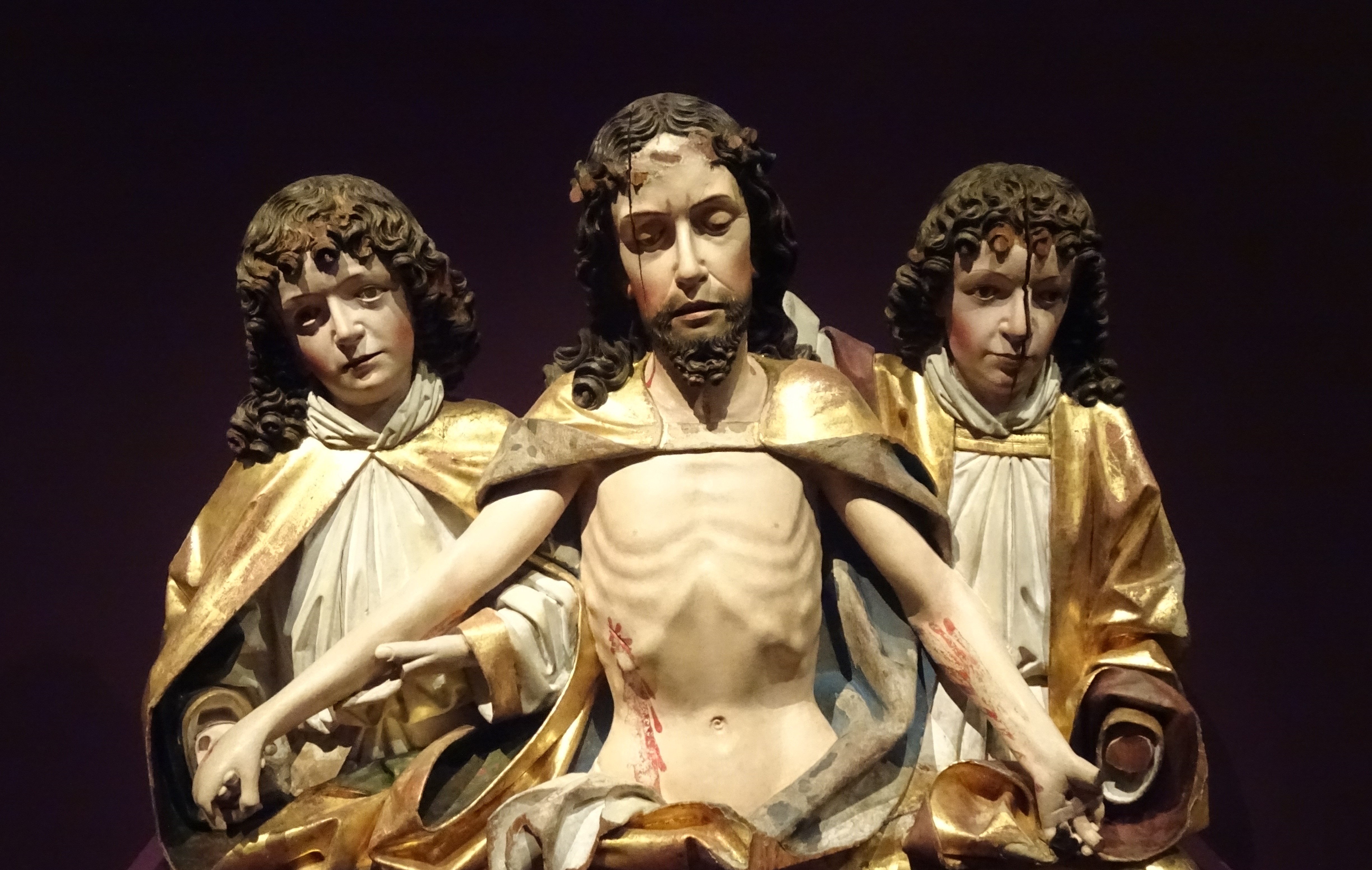

 Wilde Monk