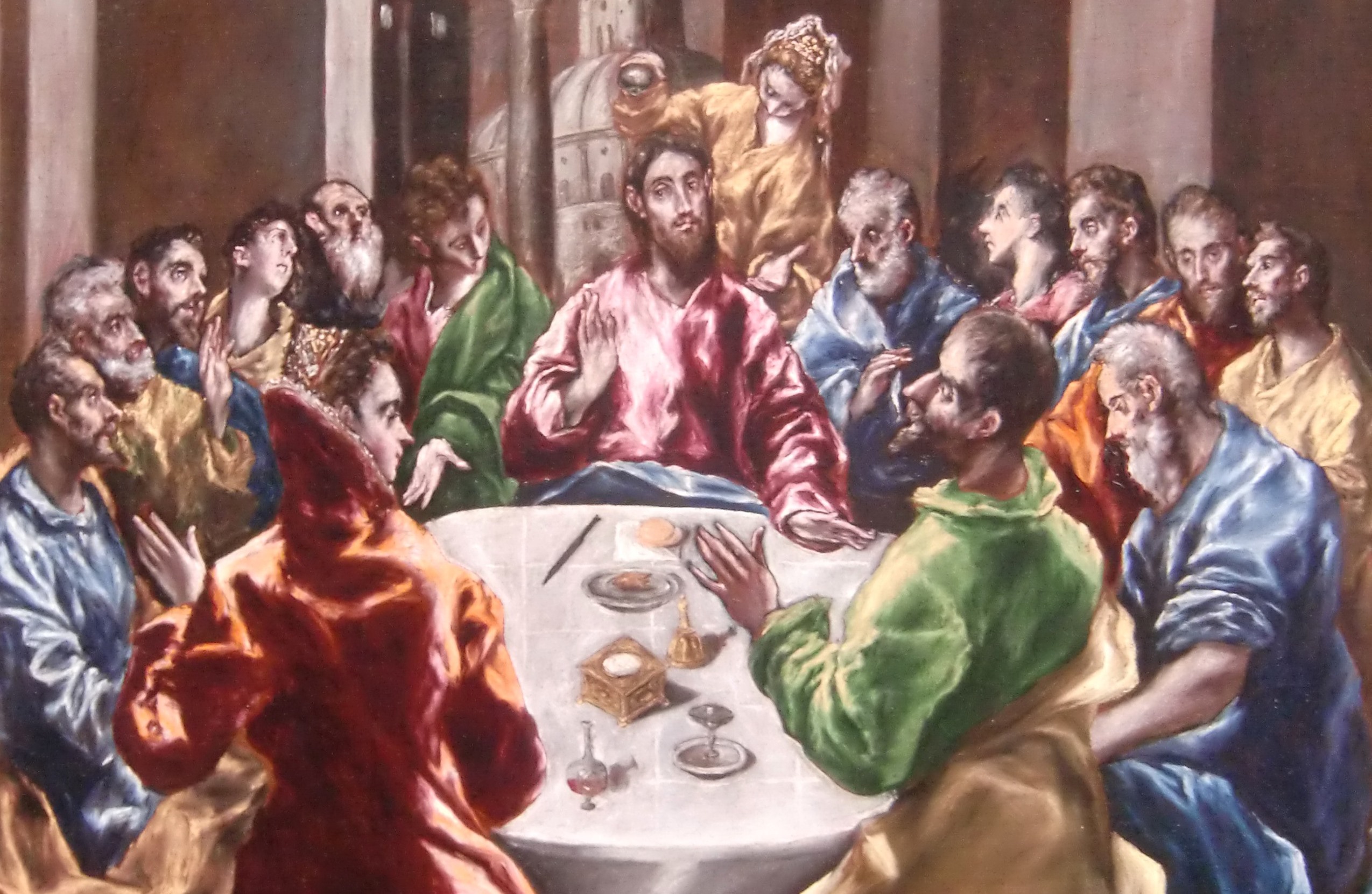
How to Deal with Divisions – in Politics, Religion, and Family

During my vacation I had the opportunity to travel and talk to many people, people with different opinions and political and religious views. My impression was confirmed that the “fronts” are hardened. Even if you want to stay in the middle ground, there is a dynamic that pushes you into one bubble or the other. For the Church, this is certainly to her disadvantage. For our countries, it probably is also. So how can we deal with the fact that we are divided? I see three ways. They each depend on how I determine distance and closeness.

1.    I keep my distance from the other group. I do not want anything to do with them. I do not agree with their views and do not see any way I can reconcile that. I am not even willing to do that, because I am convinced that there is nothing to negotiate or agree on.

>> That’s fine. Only I would recommend applying Jesus’ word: Bless those who curse you (Luke 6:28), pray for those who persecute you (Matthew 5:44). Do not curse them, but bless them. From the distance, which is best for both at the moment, I throw a small blessing across the river, just asking the Lord: Please, bless them. And then I let the Lord do it, without engaging myself.

 2.   I don’t avoid the others. Maybe I can’t. And in some ways I don’t want to, maybe because the others are part of my family or we have had a good relationship in the past, a good history together.

>> I focus on what we have in common. On common goals. I leave aside what is different and appreciate that we have grown differently. It is what it is, right now. I don’t avoid it, but I keep focusing on the things that connect us. And enjoy them.

“Is Christ divided?” (1 Cor 12:13). No, he is not.

3.   If I have a very good relationship with someone; if I really respect and appreciate him or her, I dare to raise the controversial issue. I honestly say how I see things, always speaking of myself and my experiences. Then I listen to how the other person sees it. I do not necessarily look for a harmonious outcome of the discussion and am willing to suffer from the fact that we do not come together. But we are still together.

It is worth consciously discerning what kind of closeness or distance I want to have, respecting my intuition. In all three ways, I don’t break completely with the other side, at least in my thoughts. It is not easy to have love and truth together. But if we don’t try, the division will grow, and that will not be a good end for either me or the other.

When a house is divided against itself, the house cannot stand. (Mark 3:25)

Lord, it is you who can bring us together. Through your suffering, death, and ressurection you have set us free. Be with us all. Let me pray before I speak and act. Let truth prevail. Let love prevail. Your will be done.
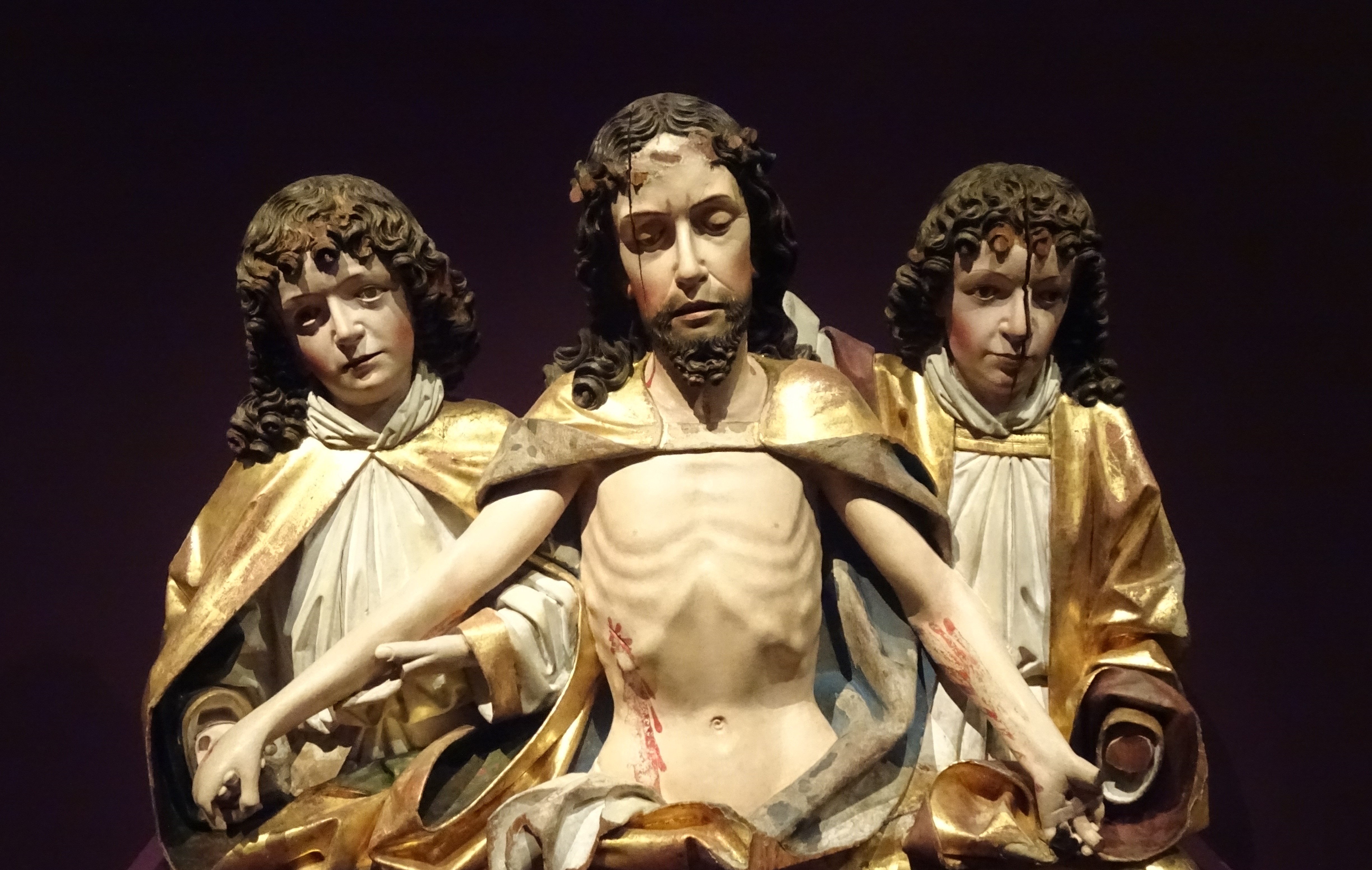
Old Or New ?

The Church is changing constantly. Yes, it is her task to reform herself again and again, as the Second Vatican Council expresses it (ecclesia semper reformanda). But what can this change look like? Is it change just for the sake of change? New things grab our attention; we always want to hear or have the latest. But do they really bring progress? Some things are new on the surface, but not really better. Frequent change can also be boring or tiring.

Once I had the chance to visit the Redwood forest in California. I was thrilled to see these old trees that have lasted for centuries. Some of them are 2,000 years old, which means they were alive at a time when Jesus was on earth. How could they have lasted so long? I stood before them in awe, just fascinated. Our world is changing rapidly. Economy, climate, technology, politics. That the world is changing is a given. That the Church is changing in the world is a given. In this situation, I am even more interested in what remains. That is even more exciting. What has the power to endure, what is worth keeping instead of throwing away? How should the Church handle change? The Rule of Saint Benedict has a good guideline for change management in a monastery (the Rule is 1,500 years old by the way…). St. Benedict states:

“The abbot ought to be learned in divine law, so that he has a treasury of knowledge from which he can bring forth things both old and new (Matt 13:52).” RB 64:9

What is most exciting here is the simultaneity of the new and the old. The abbot is to bring forth both at the same time. With the old comes the new, with the new comes the old. One could conclude: If you only change, if you cancel, it looks new, but it is not. It will not be lasting and sustainable. If you only cling to the old, it is not really old, because the contact with today is missing. The old helps the new to be. The new helps the old to be. In this sense, people who want to conserve and people who are creative and wish to change should work together. It is not “old or new”, it is “old AND new”.

Dear Lord, guide us through these times. Strengthen our creativity. Give us courage and joy to face today’s reality. But also give us faithfulness to our tradition. Give us respect for what our ancestors created. You have blessed your Church with a rich tradition. It is exciting to discover what the tradition holds for us today. Help us to keep its fire. Let your flock not be divided, but remain united. Amen.

Gather Together

There are some words in our prayers that I just love. Words such as “gather together”; we monks chant them regularly in a hymn. These words resonate with my longing for unity and peace. In these times when our countries and our world seem to be more torn than ever, this longing is even stronger. It moves me to strive for unity and collaboration, in our small worlds, in our communities, in our families, and in the teams in which we work. When we live and work together as one, things flow better and we are happier and more successful.

However, one time while praying the hymn, I paid closer attention. It says, that all things are gathered together in Christ. Both the original Greek and Latin have a term that comprise the word “head” (recapitulare). The gathering happens in Christ, who is the head. He does the gathering together. This immediately gave me relief. I cannot do it. He will do it. He will gather us all. But, how does he do it?

“In him we have redemption by his blood, the forgiveness of transgressions, in accord with the riches of his grace that he lavished upon us. In all wisdom and insight, God has made known to us the mystery of his will in accord with his favor that he set forth in him as a plan for the fullness of times, to sum up (gather together) all things in Christ, in heaven and on earth.” (Ephesians 1:8-10)

Our temptation is we want to sum everything up before its time. We tend to force others into what we think would be unity. We don’t have the patience that God has for us, that he has for everybody, without excluding anybody. Rather, we should allow him to wash away what is not in his favor within us, which separates us from him and others.

Lord, I can’t wait for the new heaven and the new earth. Make it come faster. Help me to accept you as my head. This will help to bring us humans together. I don’t have to gather everybody, but I have to let YOU gather everybody. You can do it. You suffered for us. You forgive us. You are gentle. And you are just.

recapitulare - gather together