Skipping along like a Child of God

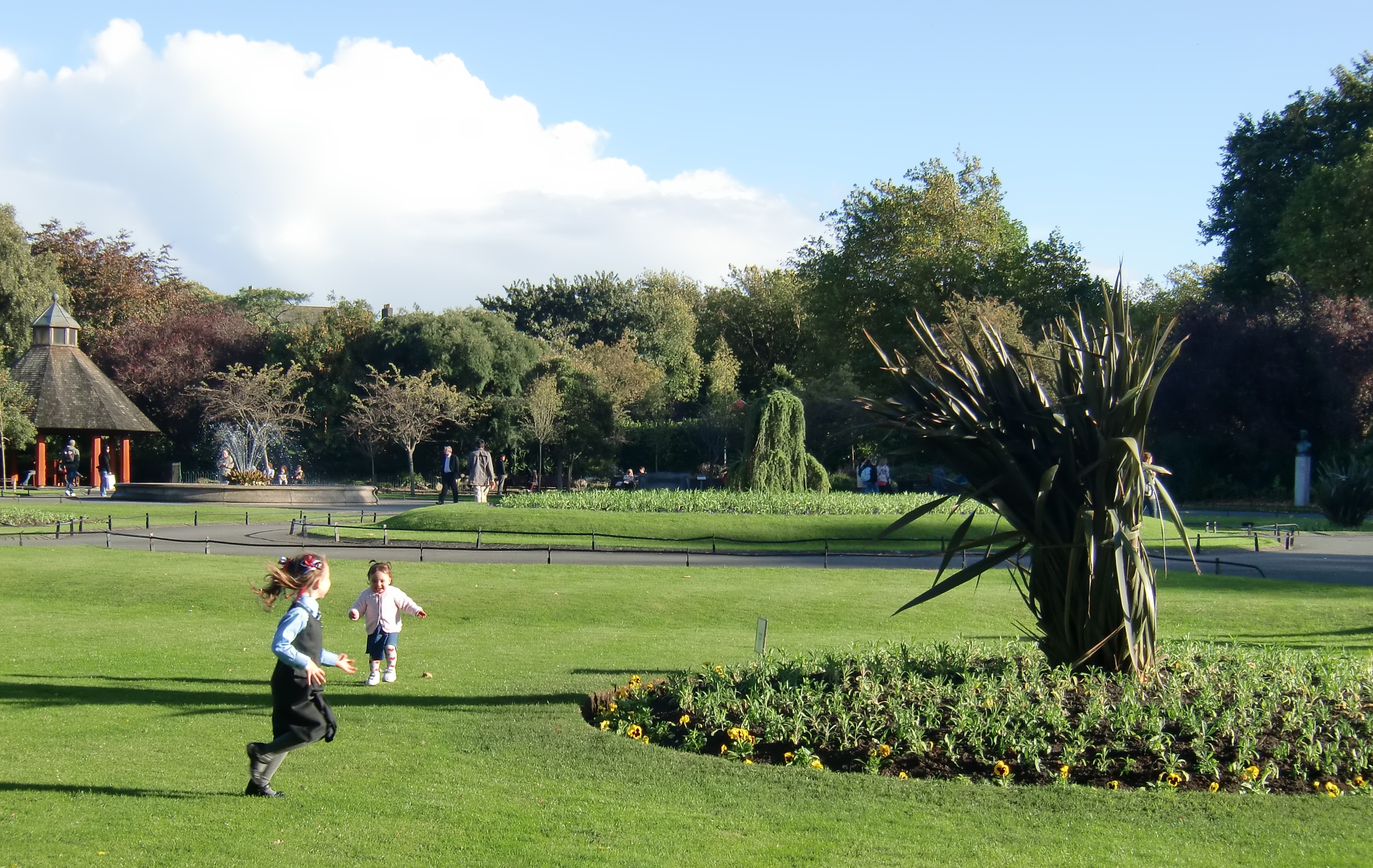
One of my fondest childhood memories is when I went for a walk with my father, he took me by the hand and I skipped along. In fact, I have seen many fathers or mothers walking like this since then, and one reason for the child’s skipping is certainly that his or her steps are shorter and so he or she can follow more easily. But you also see young animals hopping. It seems to be an expression of youth – and joy. When I see a child skipping, it looks to me as if it wants to get closer to heaven. Every step is a hop.

Jesus says: “Let the children come to me and do not hinder them, for the kingdom of heaven belongs to such as these.” Mt 19:14

Another – perhaps somewhat unusual – thought: children’s skulls are very soft when they are born. So that they can pass through at birth. The skull only hardens over time. Here, too, we see an “openness” of the children towards heaven. They have come from heaven and still “know” it, they are still in contact with it. And in the hands of their loving parents, they still feel “at home” and free and secure, as if they were in heaven.

Have you, dear reader, tried to hop your way again since then? Perhaps your hips or your knees (or your belly) no longer allow it… You could try it. Just a few steps. You too are a child of God!
Growing Joy

There are different kinds of joy. There is the exuberant jubilation. Like the soccer players at the end of the game, after the victory, jumping, dancing, splashing prosecco. The joy is so great that one does not even know how to express it adequately. I once discovered a different kind of joy in the liturgy, which I later found in reality. This, by the way, is typical and a meaning of liturgy: it opens our eyes, increases our capacity to perceive the immense richness of reality. What millions of forefathers and foremothers have expressed in their songs and rituals, we do not have to invent from scratch, we can learn from them, benefit from them and their experience with God.

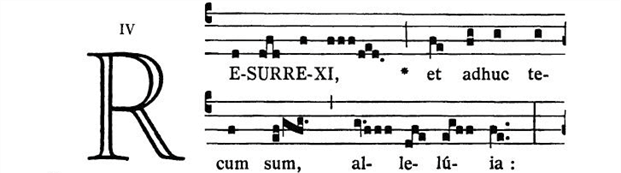
I first noticed this while practicing the introit of Easter: “Resurrexi et adhuc tecum sum.” The melody is very measured, almost timid. One wonders, “Hey, it’s Easter, rejoice! Why so hesitant?” The answer is, because you have come from a journey. Because you have a story. Jesus came from the experience of exclusion, betrayal, suffering, torture, crucifixion. You don’t just get up and jump. The rising “needed three days.” Communicating the good news also takes time: the disciples didn’t get it right away, the joy of Jesus’ resurrection took time to be understood, time to be celebrated and expressed.

When we go through deep sorrow, when we are confronted with severe problems, and when God finally – unexpectedly – delivers us from this distress, we need a little time; our body needs time, our soul needs time to understand, to let it sink in. The joy comes slowly – but: this is the greatest, most complete, deepest joy of all. This silent joy, which is ready to grow, cannot be stopped. It is like a small flower that begins to grow tenderly and subtly, but becomes large.

Dear God, I look forward to the next experience of joy. I look forward to when you surprise me with either jubilation or quietly growing joy. I pray for all who are in great need, who are suffering, who are grieving, who are sad. Deliver them and let their joy return, slowly but surely. Thank you, dear Lord, for the joy of Easter, for the joy of the risen Lord.